Micronutrients are nutrients that are required by the body in lesser amounts for its growth and development. They play a major role in the metabolic activities of the body. These include vitamins and minerals. Since our body cannot produce vitamins and minerals, they are taken externally from different food products. The micronutrient content for every food is different; therefore, it is advisable to eat varieties of food for enough vitamin and mineral consumption. These micronutrients help in preventing and fighting certain diseases. However, they should be taken in adequate quantities: excess intake or inadequate intake results in several disorders such as visual impairment, mental retardation, etc.
Micronutrients are the elements required by us in small quantities.
Iron, cobalt, chromium, iodine, copper, zinc, molybdenum are some of the micronutrients.
Deficiency of any of the nutrients affects growth and development.
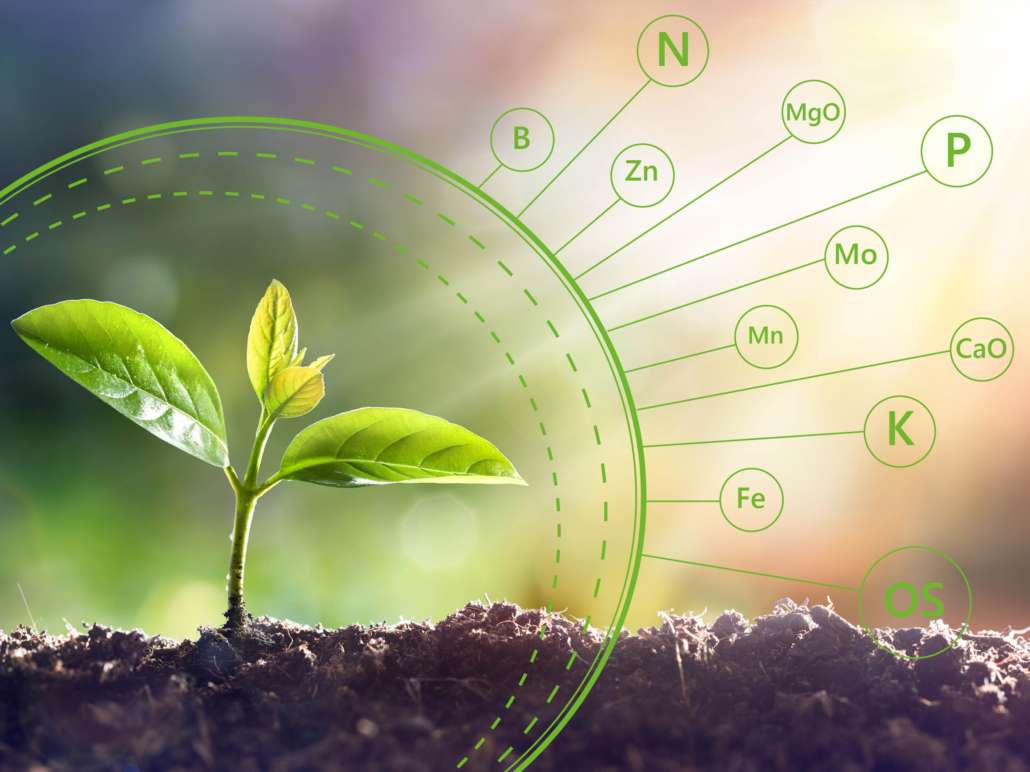
Micronutrients in plants are beneficial for balanced nutrition of crops. These support all the biological functions of a plant.
Their deficiency leads to stunted growth, chlorosis, necrosis, delayed maturity, and senescence.
The micronutrients in plants bind actively to the soil particles and are highly soluble under acidic conditions.