Insecticides are pesticides that are formulated to kill, harm, repel or mitigate one or more species of insect. Insecticides work in different ways. Some insecticides disrupt the nervous system, whereas others may damage their exoskeletons, repel them or control them by some other means. They can also be packaged in various forms including sprays, dusts, gels, and baits. Because of these factors, each insecticide can pose a different level of risk to non-target insects, people, pets and the environment.
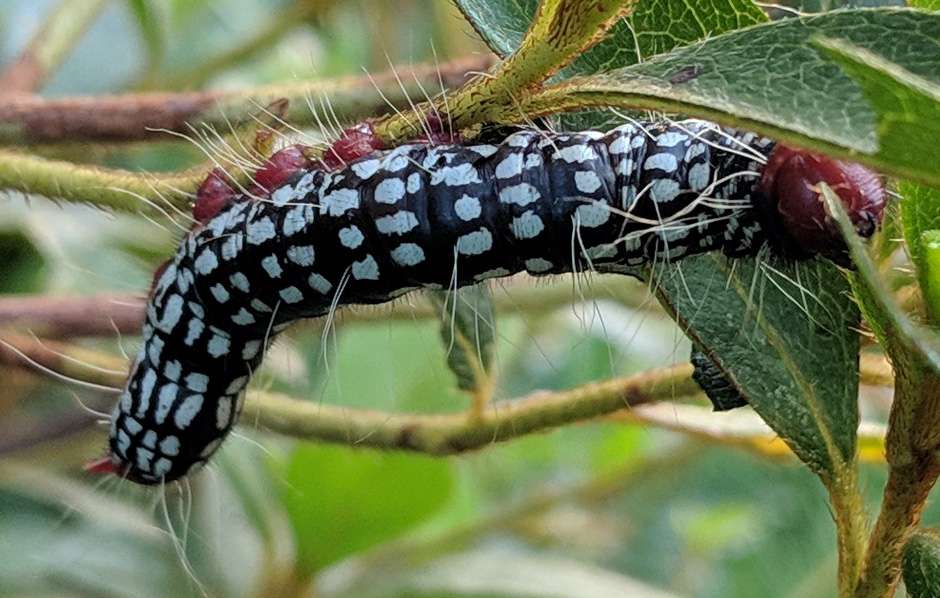
Systemic – This type of insecticide is introduced into the soil for it to get absorbed by the plant roots. Once the insecticide enters the roots, it moves to external areas such as leaves, fruits, twigs, and branches. It forms a layer on the plant surface area and acts as a poison to any insect that comes to chew the plant.
Ingested – Some examples of ingested pesticides are rats and roaches.
Contact – These types of insecticides act like bullets that aim only at a particular target to kill insects by its application. Usually, household insect spray works like contact insecticides as it must directly hit the insect.